
Guiding Principles

Two people working together on an electronic component, focused on a circuit board with tools visible in the foreground.

Recovery, Empowerment & Peer Support

Guiding Principles

Two people working together on an electronic component, focused on a circuit board with tools visible in the foreground.

Recovery, Empowerment & Peer Support

Guiding Principles

Two people working together on an electronic component, focused on a circuit board with tools visible in the foreground.

Alþjóðlegt samstarf frá fyrsta degi.

Guiding Principles

Two people working together on an electronic component, focused on a circuit board with tools visible in the foreground.

Recovery, Empowerment & Peer Support

Self-Development in Community

Everything we do at Hugarafl is grounded in the principles of Empowerment, developed by Judi Chamberlin, and the Recovery Model, developed by Daniel Fisher. These are not simply guiding philosophies—they form the foundation of our daily work and support each person's own journey of growth and recovery. What makes Hugarafl unique is our person-centred approach and the close collaboration between people with lived experience of mental health challenges and professionals. We work together as equals, make decisions about Hugarafl collectively, and encourage everyone to contribute their ideas and perspectives. Together, we share responsibility for our groups, projects, and the ongoing development of our community. Participation is always voluntary and on each person's own terms. We respect every individual's autonomy and their right to shape their own path of recovery.

Self-Development in Community

Everything we do at Hugarafl is grounded in the principles of Empowerment, developed by Judi Chamberlin, and the Recovery Model, developed by Daniel Fisher. These are not simply guiding philosophies—they form the foundation of our daily work and support each person's own journey of growth and recovery. What makes Hugarafl unique is our person-centred approach and the close collaboration between people with lived experience of mental health challenges and professionals. We work together as equals, make decisions about Hugarafl collectively, and encourage everyone to contribute their ideas and perspectives. Together, we share responsibility for our groups, projects, and the ongoing development of our community. Participation is always voluntary and on each person's own terms. We respect every individual's autonomy and their right to shape their own path of recovery.

Self-Development in Community

Everything we do at Hugarafl is grounded in the principles of Empowerment, developed by Judi Chamberlin, and the Recovery Model, developed by Daniel Fisher. These are not simply guiding philosophies—they form the foundation of our daily work and support each person's own journey of growth and recovery. What makes Hugarafl unique is our person-centred approach and the close collaboration between people with lived experience of mental health challenges and professionals. We work together as equals, make decisions about Hugarafl collectively, and encourage everyone to contribute their ideas and perspectives. Together, we share responsibility for our groups, projects, and the ongoing development of our community. Participation is always voluntary and on each person's own terms. We respect every individual's autonomy and their right to shape their own path of recovery.

Empowerment – Judi Chamberlin's Definition

The philosophy of empowerment was developed by activist and mental health advocate Judi Chamberlin, a pioneering voice in the movement for the rights of people experiencing mental health challenges in the United States. In 1978, she published her groundbreaking book On Our Own, which became a landmark in the international psychiatric survivor movement. Judi's definition of empowerment, together with her research into what makes services truly empowering, has been a major inspiration for Hugarafl and continues to shape the way we work. In 2006, Judi visited Iceland and led a two-day workshop hosted by Hugarafl.

Scientist using a multi-channel pipette to transfer liquid samples in a lab, wearing gloves and surrounded by lab equipment.

Empowerment – Judi Chamberlin's Definition

The philosophy of empowerment was developed by activist and mental health advocate Judi Chamberlin, a pioneering voice in the movement for the rights of people experiencing mental health challenges in the United States. In 1978, she published her groundbreaking book On Our Own, which became a landmark in the international psychiatric survivor movement. Judi's definition of empowerment, together with her research into what makes services truly empowering, has been a major inspiration for Hugarafl and continues to shape the way we work. In 2006, Judi visited Iceland and led a two-day workshop hosted by Hugarafl.

Scientist using a multi-channel pipette to transfer liquid samples in a lab, wearing gloves and surrounded by lab equipment.

Empowerment – Judi Chamberlin's Definition

The philosophy of empowerment was developed by activist and mental health advocate Judi Chamberlin, a pioneering voice in the movement for the rights of people experiencing mental health challenges in the United States. In 1978, she published her groundbreaking book On Our Own, which became a landmark in the international psychiatric survivor movement. Judi's definition of empowerment, together with her research into what makes services truly empowering, has been a major inspiration for Hugarafl and continues to shape the way we work. In 2006, Judi visited Iceland and led a two-day workshop hosted by Hugarafl.

Scientist using a multi-channel pipette to transfer liquid samples in a lab, wearing gloves and surrounded by lab equipment.

The 15 Principles of Empowerment

In 1997, Judi Chamberlin published a working definition of empowerment. Although the term was already widely used, it often meant different things in different contexts, and there was a need for a shared understanding. Working alongside many people with lived experience of mental health challenges, Judi developed a practical definition of empowerment consisting of 15 principles. Each principle describes a distinct dimension of empowerment and is accompanied by a more detailed explanation developed by the group that created the definition.

Born from the collective ambition of industry veterans and technology innovators, our mission is to expedite the journey of groundbreaking healthcare solutions from conception to global markets.

01

Having decision-making power.

02

Having access to information and resources.

03

Having a range of options from which to make choices.

04

Assertiveness.

05

A feeling that the individual can make a difference.

06

Learning to think critically; unlearning the conditioning; seeing things differently.

07

Learning about and expressing anger.

08

Not feeling alone; feeling part of a group.

09

Understanding that people have rights.

10

Effecting change in one’s life and one’s community.

11

Learning skills that the individual defines as important.

12

Changing others’ perceptions of one’s competency and capacity to act.

13

Coming out of the closet.

14

Growth and change that is never ending and self-initiated.

15

Increasing one’s positive self-image and overcoming stigma.

As the 15 Principles of Empowerment illustrate, empowerment is about much more than personal growth. It also involves exploring and reshaping our relationship with society, recognising the importance of our social connections, and developing a sense that we can influence the world around us.

Recovery

Real recovery is possible. There is always hope. We define what recovery means for ourselves.
Empowerment

Strategic Funding

Empowerment means being in charge of your own life. It is built on personal growth, self-reflection, and the ability to influence the world beyond yourself.

Our strategic funding connection process involves a meticulous evaluation of each project to ensure it aligns with our investors' goals for societal impact and financial return.

Peer Support

Strategic Funding

We strengthen our community by learning together and developing new tools and approaches that support recovery.

Our strategic funding connection process involves a meticulous evaluation of each project to ensure it aligns with our investors' goals for societal impact and financial return.

The Recovery Philosophy of Daniel B. Fisher

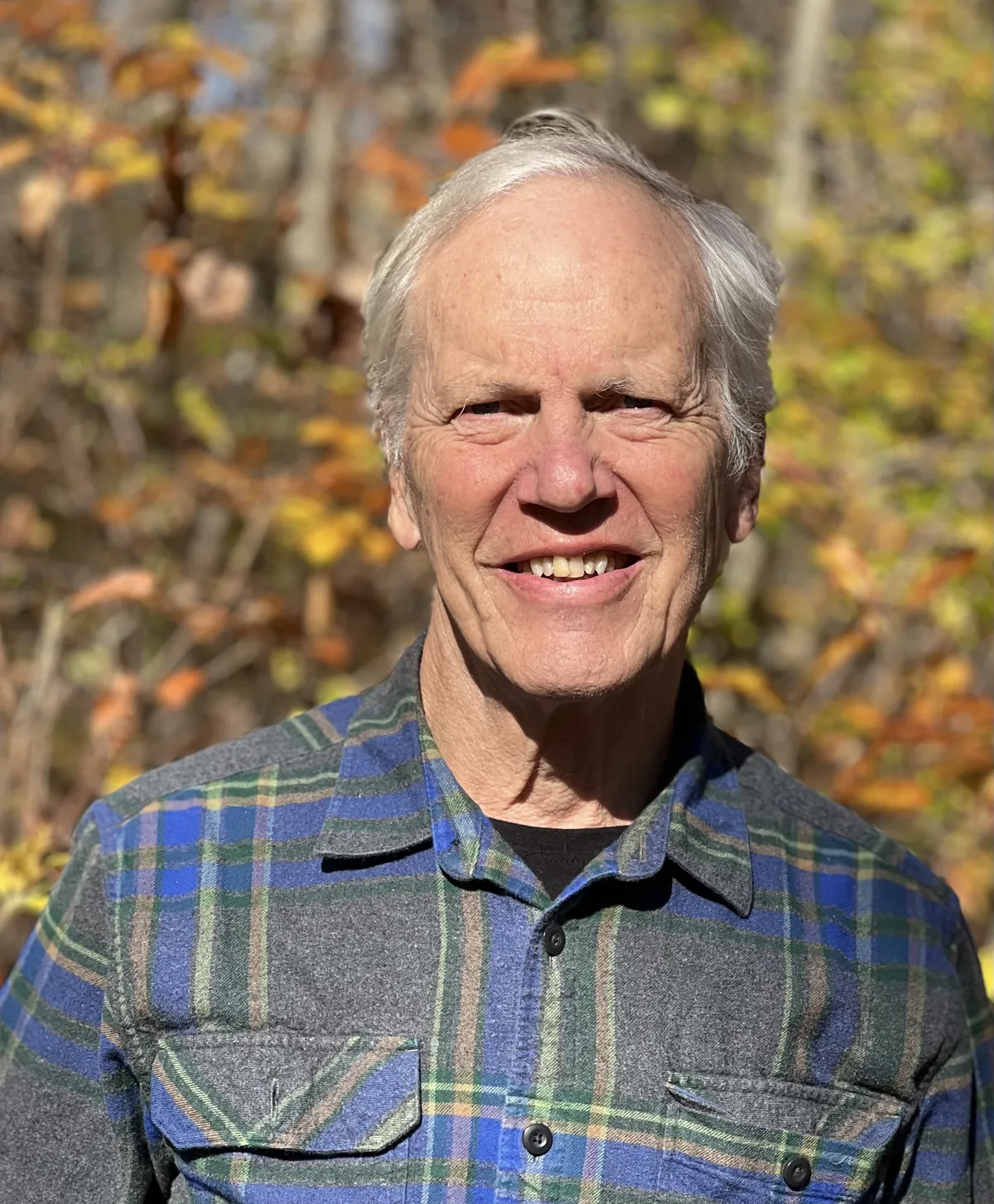
Psychiatrist Daniel B. Fisher is another leading advocate for empowerment and recovery. He worked alongside Judi Chamberlin in Boston until her passing in 2010. They were close friends, and Judi became Dan's mentor in the philosophy of empowerment. After recovering from schizophrenia, Fisher graduated from Harvard Medical School and became one of the few psychiatrists in the world to speak openly about his own lived experience of mental health challenges. He is the creator of eCPR (Emotional CPR) and co-creator, with Laurie Ahern, of the PACE Recovery Model—both of which Hugarafl has used in its work for many years. Daniel Fisher is the Executive Director of the Empowerment Center and has visited Iceland on numerous occasions at the invitation of Hugarafl. Through lectures, workshops, training, and by sharing his personal story, he has made a significant contribution to promoting recovery-oriented practice in Iceland.

Scientist using a multi-channel pipette to transfer liquid samples in a lab, wearing gloves and surrounded by lab equipment.

The Recovery Philosophy of Daniel B. Fisher

Psychiatrist Daniel B. Fisher is another leading advocate for empowerment and recovery. He worked alongside Judi Chamberlin in Boston until her passing in 2010. They were close friends, and Judi became Dan's mentor in the philosophy of empowerment. After recovering from schizophrenia, Fisher graduated from Harvard Medical School and became one of the few psychiatrists in the world to speak openly about his own lived experience of mental health challenges. He is the creator of eCPR (Emotional CPR) and co-creator, with Laurie Ahern, of the PACE Recovery Model—both of which Hugarafl has used in its work for many years. Daniel Fisher is the Executive Director of the Empowerment Center and has visited Iceland on numerous occasions at the invitation of Hugarafl. Through lectures, workshops, training, and by sharing his personal story, he has made a significant contribution to promoting recovery-oriented practice in Iceland.

Scientist using a multi-channel pipette to transfer liquid samples in a lab, wearing gloves and surrounded by lab equipment.

The Recovery Model is taught in Hugarafl's Recovery course, a series of workshops that explores both the personal and social dimensions of recovery. The course typically consists of six sessions (one cycle), covering: Introduction, Hope, Healing, Empowerment, and Connection (the personal dimensions), with the final session focusing on the social dimensions of the Recovery Model. We always recommend that new members begin with Hugarafl's Recovery and Empowerment course to gain a solid understanding of the philosophy that underpins our work. Revisiting the Recovery Model regularly can also be valuable, both as a refresher and as a practical tool to support one's own recovery journey.

A Foundation of Equality

A foundation of equality is created when professionals and people with lived experience of mental health challenges come together, speak with one another, and work as equals. We value the knowledge and experience of both groups equally, and each person is always regarded as the expert in their own life. One way to assess whether a true foundation of equality exists is to ask a few simple questions: Are staff members clearly distinguished from others by uniforms, white coats, or name badges? Are meetings delayed until a particular person, such as a manager, chairperson, or doctor, arrives even when everyone else is already present? Does everyone have an equal voice in decision-making, with every opinion listened to and taken seriously? And are facilities such as toilets or coffee areas reserved exclusively for staff or professionals?

Scientist using a multi-channel pipette to transfer liquid samples in a lab, wearing gloves and surrounded by lab equipment.

A Foundation of Equality

A foundation of equality is created when professionals and people with lived experience of mental health challenges come together, speak with one another, and work as equals. We value the knowledge and experience of both groups equally, and each person is always regarded as the expert in their own life. One way to assess whether a true foundation of equality exists is to ask a few simple questions: Are staff members clearly distinguished from others by uniforms, white coats, or name badges? Are meetings delayed until a particular person, such as a manager, chairperson, or doctor, arrives even when everyone else is already present? Does everyone have an equal voice in decision-making, with every opinion listened to and taken seriously? And are facilities such as toilets or coffee areas reserved exclusively for staff or professionals?

Scientist using a multi-channel pipette to transfer liquid samples in a lab, wearing gloves and surrounded by lab equipment.

A Foundation of Equality

A foundation of equality is created when professionals and people with lived experience of mental health challenges come together, speak with one another, and work as equals. We value the knowledge and experience of both groups equally, and each person is always regarded as the expert in their own life. One way to assess whether a true foundation of equality exists is to ask a few simple questions: Are staff members clearly distinguished from others by uniforms, white coats, or name badges? Are meetings delayed until a particular person, such as a manager, chairperson, or doctor, arrives even when everyone else is already present? Does everyone have an equal voice in decision-making, with every opinion listened to and taken seriously? And are facilities such as toilets or coffee areas reserved exclusively for staff or professionals?

Scientist using a multi-channel pipette to transfer liquid samples in a lab, wearing gloves and surrounded by lab equipment.